
Winter Holidays in the Canary Islands: 2026 Guide
Discover unparalleled winter holidays in the Canary Islands, where warmth, sunshine, and unique experiences await. Plan your perfect getaway!

TL;DR:
- The Canary Islands are a reliable winter sun destination with temperatures of 20-24°C and over 3,000 hours of sunshine annually. The southern coasts of Tenerife and Gran Canaria offer the warmest and most sheltered locations for outdoor activities and relaxation. Winter experiences include festivals, hiking, golf, local food, and watersports, with easy travel from Europe.
The Canary Islands are defined as one of Europe’s most reliable winter sun destinations, offering daytime highs of 20–24°C and more than 3,000 hours of annual sunshine. That combination is rare in winter. While northern Europe shivers through gray skies, the Canaries sit close to the Tropic of Cancer, where trade winds and Atlantic currents create what locals call an “Eternal Spring” climate. The seven main islands, including Tenerife, Gran Canaria, and Lanzarote, each offer something distinct. Whether you are drawn to volcanic hiking, world-class golf, or simply a warm terrace and a good book, winter holidays in the Canary Islands deliver more than most destinations can promise in July.
What is the winter climate like in the canary islands?
The Canary Islands climate in winter is mild, sunny, and far more stable than most travelers expect. Daytime temperatures hold between 20–24°C from december through february, with evenings cooling to around 15–17°C. That range is comfortable for both active days and relaxed evenings outdoors.
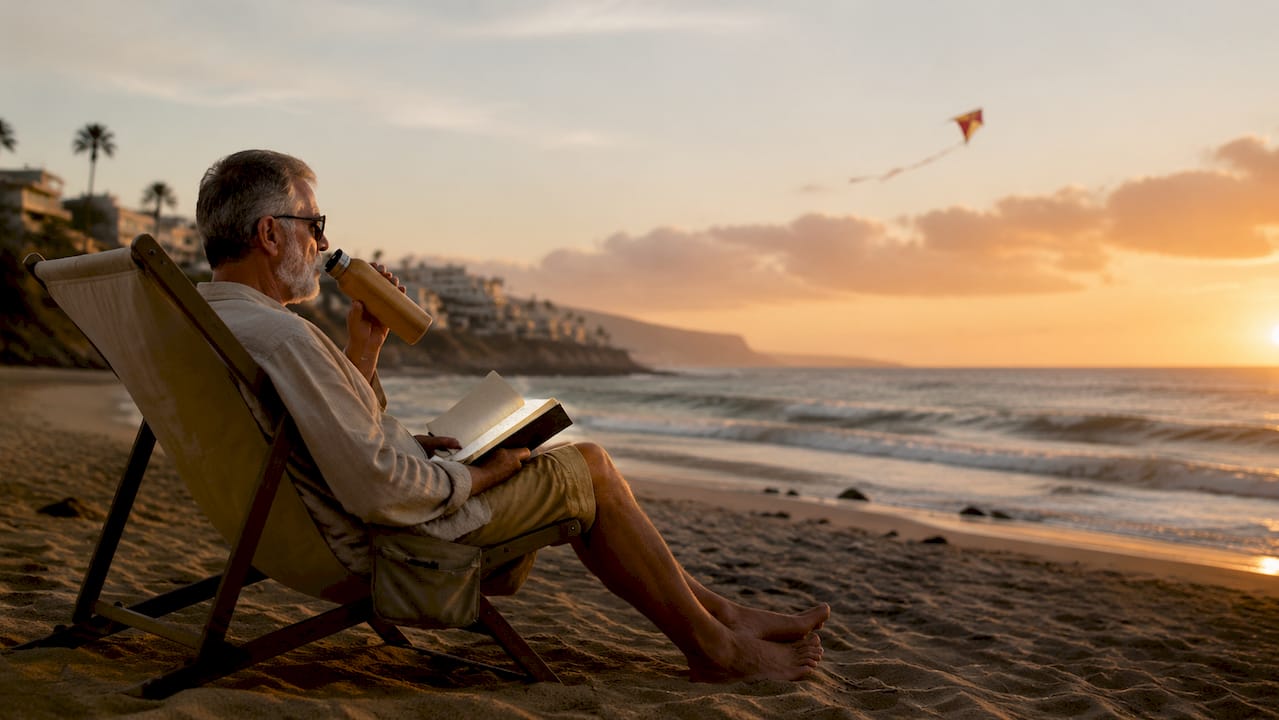
Sunshine is the defining feature. The islands receive approximately 9–10 hours of daylight during winter months, which means full days of outdoor activity without the exhausting heat of summer. The Atlantic Ocean water sits at 18–21°C in winter. That is refreshing but not warm enough for extended swimming sessions for everyone. Resorts with heated pools solve this immediately, and most quality properties across Tenerife and Gran Canaria offer them.
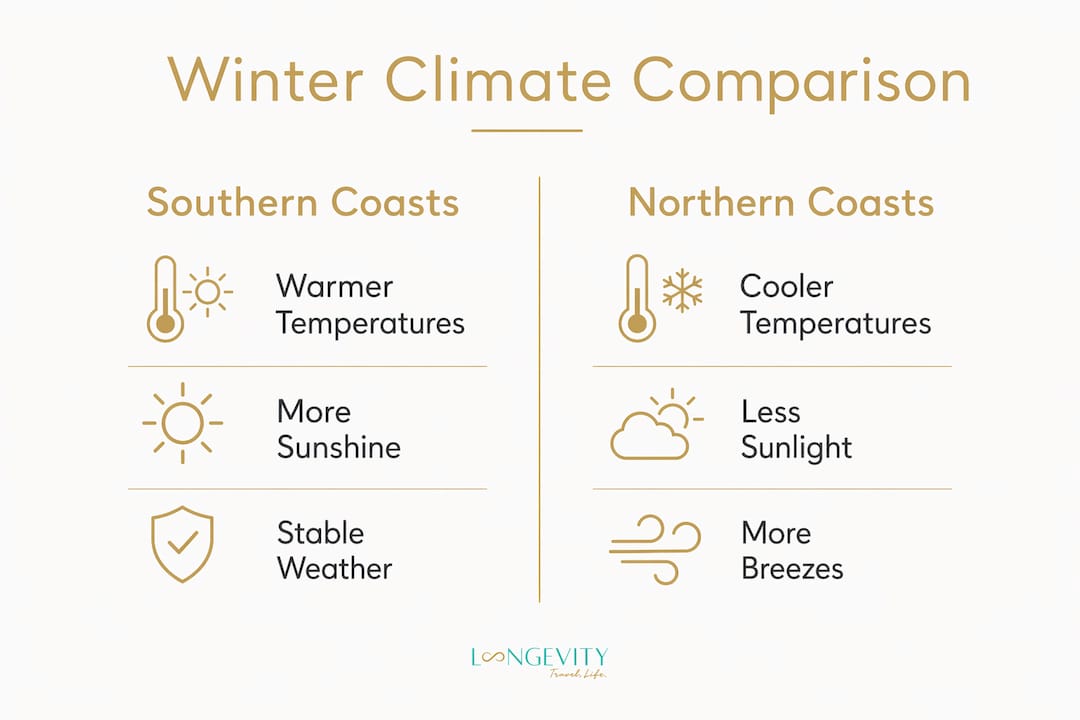
The south-north climate divide matters more than most travelers realize. Southern resorts receive significantly more sun and shelter than northern towns on the same island. The north tends to catch cloud cover and occasional rain. Book on the southern coast and you are booking a different season entirely.
| Climate Factor | Winter Details |
|---|---|
| Daytime temperature | 20–24°C (december to february) |
| Ocean water temperature | 18–21°C |
| Daily sunshine hours | Approx. 9–10 hours |
| Evening temperature | 15–17°C |
| Best coast for warmth | Southern coastal areas |
Pro Tip: Pack a light windbreaker and a neoprene rash guard for ocean swims. Breezy conditions and cooler water are common, and these two items make a real difference in comfort.
Which islands and locations are best for winter warmth?
Choosing the right island and the right side of that island is the single most important decision you will make for a Canary Islands winter getaway. Not all islands perform equally in winter, and within each island, location changes everything.
- Costa Adeje, Tenerife: The southern coast of Tenerife is among the warmest and most sheltered spots in the archipelago. Costa Adeje offers luxury resorts, calm beaches, and consistent sunshine. It suits travelers who want comfort, spa access, and easy beach days.
- Puerto de Mogán and Maspalomas, Gran Canaria: Puerto de Mogán is sheltered, charming, and reliably warm. Maspalomas is known for its iconic sand dunes and dependable winter warmth, making it a top choice for families and sun seekers.
- Lanzarote and Fuerteventura: These eastern islands are windier by nature. That wind is a feature, not a flaw, for windsurfers and kitesurfers. For pure relaxation, choose sheltered southern bays and resorts with wind-protected pools.
- La Palma and El Hierro: These western islands are cooler, greener, and quieter. They suit hikers and travelers who want dramatic landscapes and genuine solitude over beach time.
The key insight here is that island climate nuances require matching your travel goals to the right location. A wellness retreat in Costa Adeje feels entirely different from a hiking week on La Palma, even though both happen in the same archipelago in the same month.
Pro Tip: If warmth and sun are your priority, book on the southern coast of either Tenerife or Gran Canaria. The northern towns of both islands can feel overcast and cool in winter, even when the south is bathed in sunshine.
What unique experiences can you enjoy in winter?
Winter in the Canary Islands is not simply a beach holiday. The season brings a specific set of experiences that are richer, quieter, and more personal than the peak summer crowds allow.
- Christmas markets and winter festivals: Tenerife and Gran Canaria host lively Christmas markets and Three Kings celebrations in january. These are genuine local events, not tourist productions. Santa Cruz de Tenerife and Las Palmas de Gran Canaria both stage elaborate festivities worth planning around.
- Hiking and nature exploration: The western islands of La Palma, El Hierro, and La Gomera are at their most vivid in winter. Cooler temperatures make long trails through laurel forests and volcanic ridges genuinely enjoyable rather than exhausting.
- Golf and wellness: Lanzarote’s volcanic courses, including those near Costa Teguise and Puerto del Carmen, are among the most visually dramatic in Europe. Winter is peak golf season here. Wellness resorts across the islands offer programs in nutrition, movement, and recovery that align naturally with the slower winter pace.
- Local food and wine: Gran Canaria’s wine regions and Lanzarote’s La Geria vineyards, where vines grow in volcanic ash craters, are best visited in the cooler months. Local restaurants are less crowded, and the food culture is more accessible to curious travelers.
- Watersports: Fuerteventura and Lanzarote offer consistent winter winds for windsurfing and kitesurfing. The activity-climate match is real. Plan your island choice around what you want to do, not just where you want to be.
How should you plan and book a winter holiday in the canary islands?
Planning a Canary Islands winter trip is straightforward once you understand the key variables. The logistics are genuinely accessible from most of Europe.
- Flight access: From major European hubs, flight duration to the Canary Islands is approximately 3.5–4 hours. That short travel time makes even a one-week trip feel worth the effort.
- All-inclusive vs. independent travel: All-inclusive packages offer convenience and predictable costs. Independent travel gives you flexibility to explore local restaurants and smaller towns. Neither is universally better. The right choice depends on how much you want to plan versus how much you want to simply arrive and rest.
- Accommodation tier: Luxury resorts in the Canaries now emphasize what the industry calls “Destination Inclusive” experiences, blending local culture and culinary excellence into the stay. This is a meaningful upgrade from traditional all-inclusive models. Booking a premium tier, such as “The Reserve” at select Paradisus properties, unlocks exclusive facilities and personalized services that transform the experience.
- Packing essentials: Light layers, a windbreaker, sunscreen, and swimwear cover most situations. Add a rash guard if you plan to swim in the ocean.
Pro Tip: Book southern coast accommodations at least 3–4 months in advance for december and january travel. These spots fill early because experienced winter sun travelers know exactly where to go.
Key takeaways
Winter holidays in the Canary Islands deliver reliable warmth, diverse activities, and genuine restoration when you match the right island and location to your personal travel goals.
| Point | Details |
|---|---|
| Climate reliability | Daytime highs of 20–24°C and 9–10 sunshine hours make winter the ideal travel season. |
| Location matters most | Southern coasts of Tenerife and Gran Canaria offer the warmest, most sheltered conditions. |
| Activity diversity | Golf, hiking, wellness, and watersports are all available, depending on which island you choose. |
| Accommodation upgrade | Premium resort tiers deliver exclusive amenities that significantly improve the winter experience. |
| Easy access | A 3.5–4 hour flight from Europe makes a winter escape genuinely practical, not just aspirational. |
Why the canary islands reward thoughtful travelers
I have spent years watching people book the Canary Islands based on a single image: a warm beach in winter. That image is accurate, but it is incomplete. The travelers who leave genuinely restored are the ones who took the time to understand what each island actually offers.
The most common mistake I see is booking the wrong side of an island. Someone arrives in Puerto de la Cruz on the north coast of Tenerife in january and wonders why it is overcast and cool. Twenty minutes south, Costa Adeje is sunny and 22°C. That is not bad luck. It is a planning gap.
My honest recommendation is this: if warmth and relaxation are your goals, commit to the southern coast and invest in a quality resort. The wellness and longevity programs available at the best Canary Islands properties are genuinely restorative, not just marketing language. They are built around the same principles that guide long, healthy lives: movement, nourishment, rest, and connection.
If you want more than a beach, the western islands will surprise you. La Palma in particular is one of the most underrated winter destinations in Europe. But go knowing it is cooler and greener, not warmer and sunnier.
The Canary Islands do not need to be a compromise. They can be exactly what you need, if you choose with intention.
— Simona
Plan your winter escape with longevity travel
The Canary Islands are one of the destinations Longevity Travel knows most deeply. From the volcanic shores of Lanzarote to the sun-warmed beaches of Gran Canaria, we have spent decades curating stays that go beyond comfort into genuine restoration.
Our winter programs are built around how you want to feel, not just where you want to go. The Vitalclass Lanzarote Sports & Wellness Resort in Costa Teguise is one of our signature properties for winter wellness travel. For golf-focused escapes, our Gran Canaria golf program pairs world-class courses with thoughtful recovery and relaxation. If you are ready to design a winter holiday that nourishes your body and restores your energy, explore what Longevity Travel offers and let us help you plan it right.
FAQ
What is the average temperature in the canary islands in winter?
Daytime highs in the Canary Islands range from 20–24°C between december and february. Evening temperatures drop to around 15–17°C, making light layers useful after sunset.
Which canary island is warmest in winter?
The southern coasts of Tenerife (Costa Adeje) and Gran Canaria (Maspalomas, Puerto de Mogán) are the warmest and most sheltered spots in winter. Southern Lanzarote is also reliable for sun seekers.
Is the ocean warm enough to swim in winter?
Atlantic Ocean temperatures sit at 18–21°C in winter. Most travelers find this refreshing rather than warm. Resorts with heated pools are the preferred option for comfortable daily swimming.
How far is the canary islands from europe?
From major European hubs, the flight to the Canary Islands takes approximately 3.5–4 hours. That makes it one of the most accessible long-sun winter destinations available to European travelers.
Are the canary islands good for families in winter?
Yes. Gran Canaria and Tenerife both offer family-friendly resorts, calm beaches, and reliable sunshine. The quieter winter season also means less crowding at popular attractions and more relaxed travel overall.
Recommended
Does the Canary Islands sound like your next escape? Send us an inquiry and we'll craft a program tailored to you.
Send inquiryNewsletter
A memory for life
Weekly to your inbox: inspiration, longevity insights and exclusive travel offers.